Category: Elder Abuse
-
Respect is a Protective Factor
2️⃣ Respect Is a Protective Factor Research consistently shows that social isolation increases vulnerability to elder abuse. When older adults feel disconnected, dependent, or unseen, risk rises. Conversely, strong social networks are one of the most powerful protective factors. Respect is not simply a feeling — it is a social structure. Older adults who remain…
-
Protect: Understanding Elder Abuse in Rural Communities
Elder abuse includes emotional manipulation, financial exploitation, neglect, coercion, and isolation. Canadian research estimates that 1 in 10 older adults experience some form ofmistreatment. In rural communities, disclosure can be difficult due to close social ties and fear of disrupting family relationships. Financial abuse is the most commonly reported form. It may begin subtly with…
-
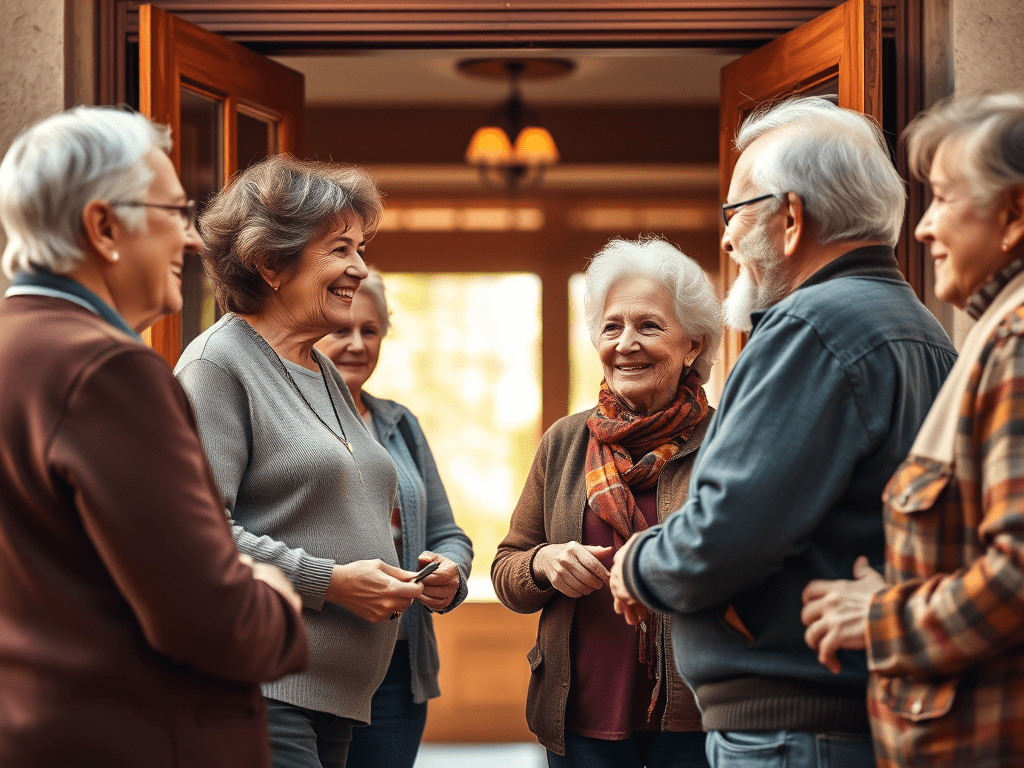
Silence Protects No One
In the ever-evolving world, the art of forging genuine connections remains timeless. Whether it’s with colleagues, clients, or partners, establishing a genuine rapport paves the way for collaborative success.

