2️⃣ Respect Is a Protective Factor
Research consistently shows that social isolation increases vulnerability to elder abuse. When older adults feel disconnected, dependent, or unseen, risk rises. Conversely, strong social networks are one of the most powerful protective factors.
Respect is not simply a feeling — it is a social structure.
Older adults who remain engaged in community programs, peer gatherings, volunteer roles, and meaningful relationships are statistically less likely to experience mistreatment. Why? Because connection builds visibility. Visibility builds accountability. Accountability builds safety.
Isolation hides abuse. Community exposes it.
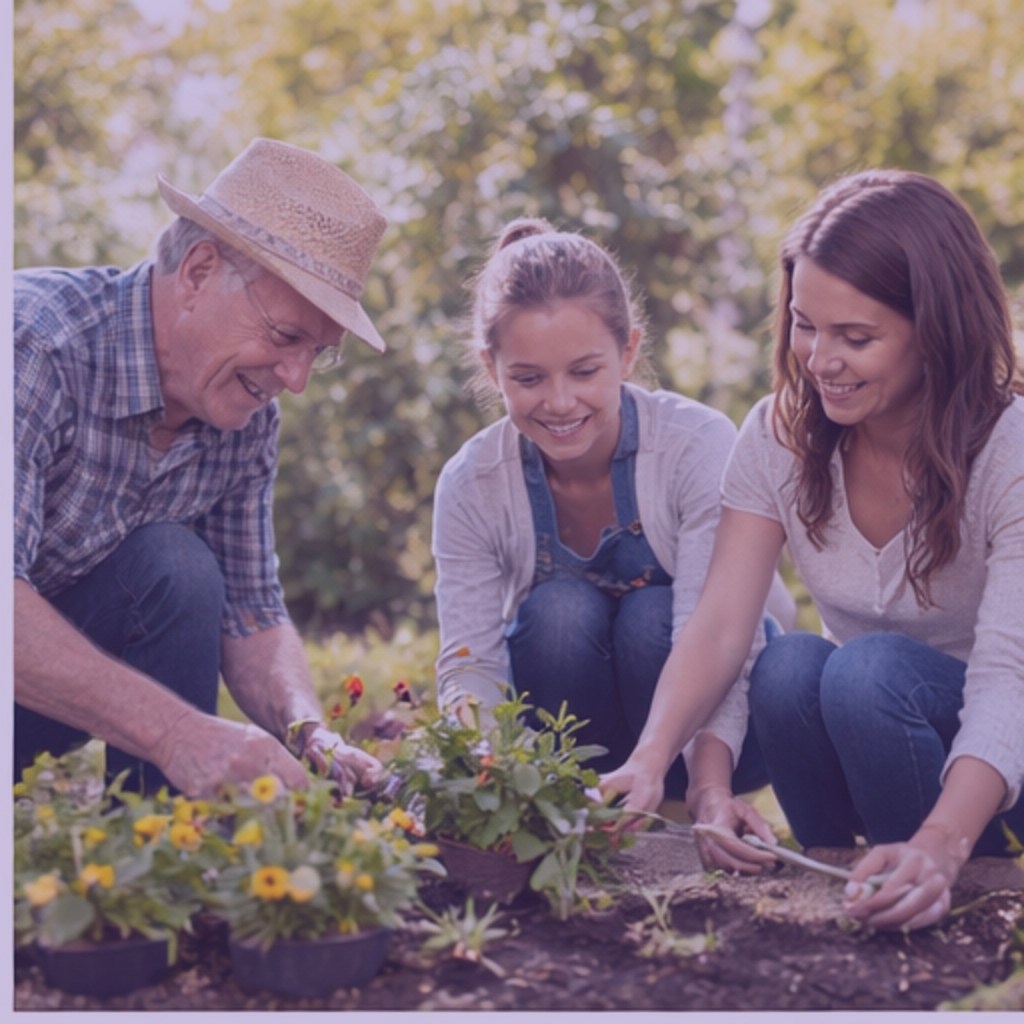
This is why coffee groups, intergenerational activities, wellness workshops, and social prescribing initiatives are more than “nice programs.” They are protective infrastructure. They create layers of relational safety that surround individuals long before crisis occurs.
Respect also means recognizing autonomy. It means ensuring older adults are included in decision-making about their finances, healthcare, housing, and daily lives. Overprotection can sometimes slide into control. True protection honors independence.
When communities value older adults as contributors — not burdens — the risk of abuse decreases.
Protection is proactive.
It is relational.
It is intentional.
Deep Thought Question:
What practical step could you take this month to strengthen the circle of safety around one older adult?


We would love to hear from you