Elder abuse is often misunderstood. It is not only physical harm. It can appear as emotional manipulation, intimidation, social isolation, neglect, coercion, or financial control. In Canada, research suggests that approximately 1 in 10 older adults experience some form of mistreatment — yet many cases go unreported. Why? Because abuse frequently occurs within trusted relationships. Because shame silences. Because dependence complicates disclosure.
Silence does not protect dignity. Conversation does.
Communities that openly discuss elder abuse create protective environments. Awareness reduces stigma. Education increases confidence. When older adults understand their rights and know where to turn for support, vulnerability decreases.
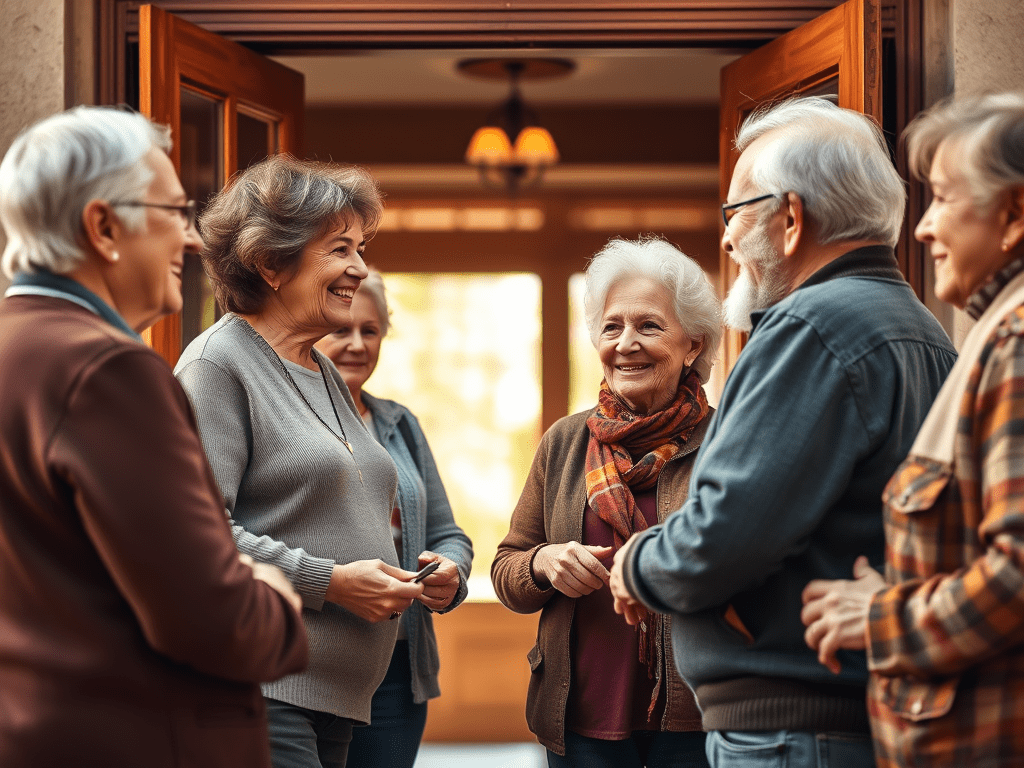
Prevention is not about suspicion — it is about empowerment. It is about strengthening relationships, reducing isolation, and fostering environments where older adults feel respected, heard, and safe.
At its core, elder abuse prevention is community work. It is neighbours checking in. It is professionals trained to recognize subtle warning signs. It is family members having transparent conversations about finances, caregiving, and consent.
Protection grows where respect lives.
We do not protect older adults by speaking for them.
We protect them by ensuring they can speak for themselves.
Deep Thought Question:
If every older adult in our community felt truly safe and valued, what would look different?


We would love to hear from you