Challenging Ageism in Everyday Life
Ageism is one of the most socially accepted forms of discrimination — and often one of the least recognized. It appears in jokes, media portrayals, hiring decisions, and even healthcare assumptions.
Research reveals something powerful: internalized negative beliefs about aging can influence physical and cognitive health outcomes.Older adults who hold positive views of aging demonstrate better recovery rates, improved functional health, and longer life expectancy. Conversely, persistent exposure to negative stereotypes increases stress and reduces engagement.
Language plays a central role. Phrases like “for her age” or “still driving” subtly reinforce decline-based narratives. Over time, these narratives influence expectations — both societal and personal.
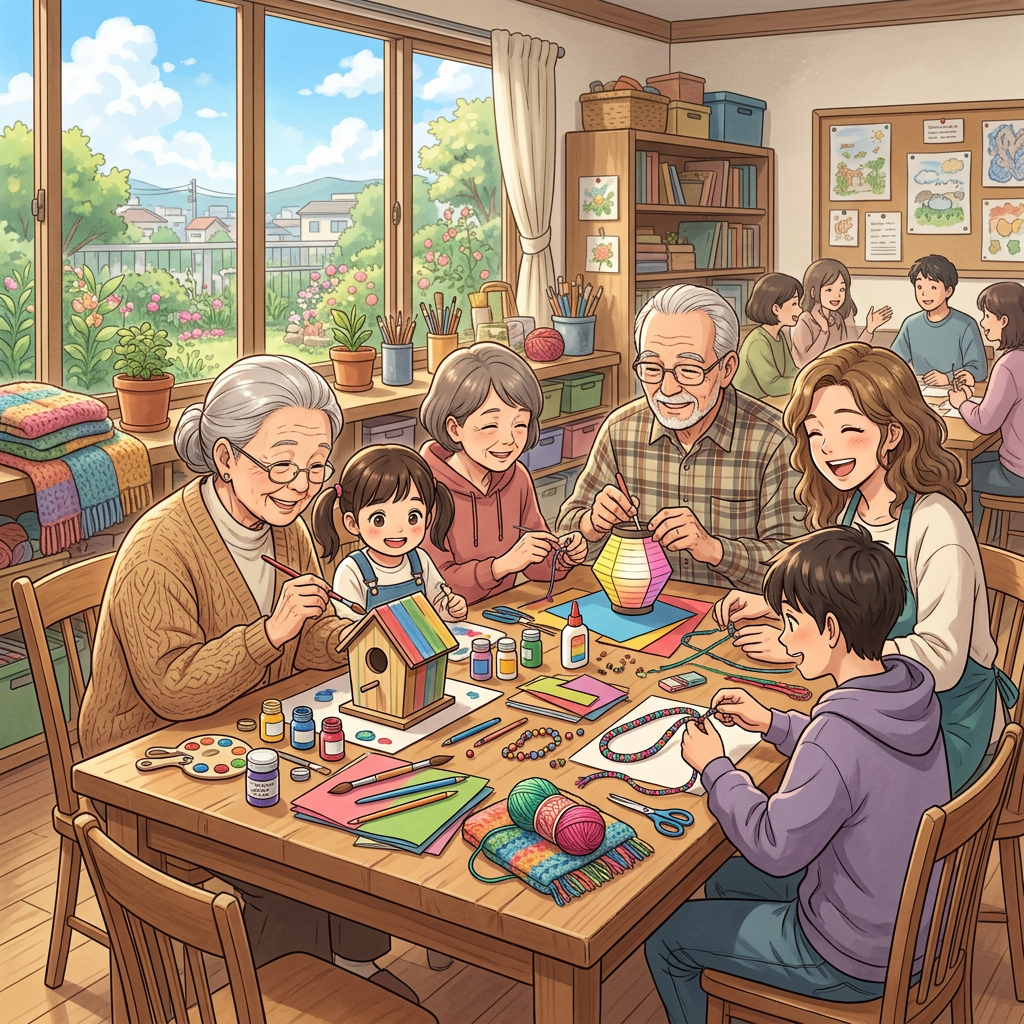
Yet aging is not synonymous with decline. Older adulthood often brings increased emotional stability, perspective, and resilience. Many older adults remain active contributors — volunteering, mentoring, caregiving, leading organizations, and driving local economies.
When communities frame aging as strength rather than burden, participation increases. Age-friendly communities intentionally design inclusive environments, celebrate contribution, and promote representation of older adults as capable leaders.
Rewriting the narrative begins with awareness. It continues with language shifts, policy review, and inclusive programming. Every word contributes to culture. How we speak about older adults today shapes how we will experience aging tomorrow.
Challenging ageism is not only about protecting current seniors — it is about protecting our collective future. Respect must not be age-dependent.
At Sundre Senior SPRUCE Society, we believe aging is an achievement — evidence of adaptation, learning, and lived experience.
The story of aging is still being written and we all hold the pen.
Reflection Question:
What narrative about aging are you actively reinforcing — and what narrative are you ready to rewrite?


We would love to hear from you